
Bharatanatyam, one of India’s most revered classical dance forms, traces its roots from sacred temple devotion to dazzling global performances. This blog explores its remarkable evolution, highlighting key phases, pioneers, and contemporary adaptations.
Origins in Temple Rituals
Ancient Roots in Natya Shastra
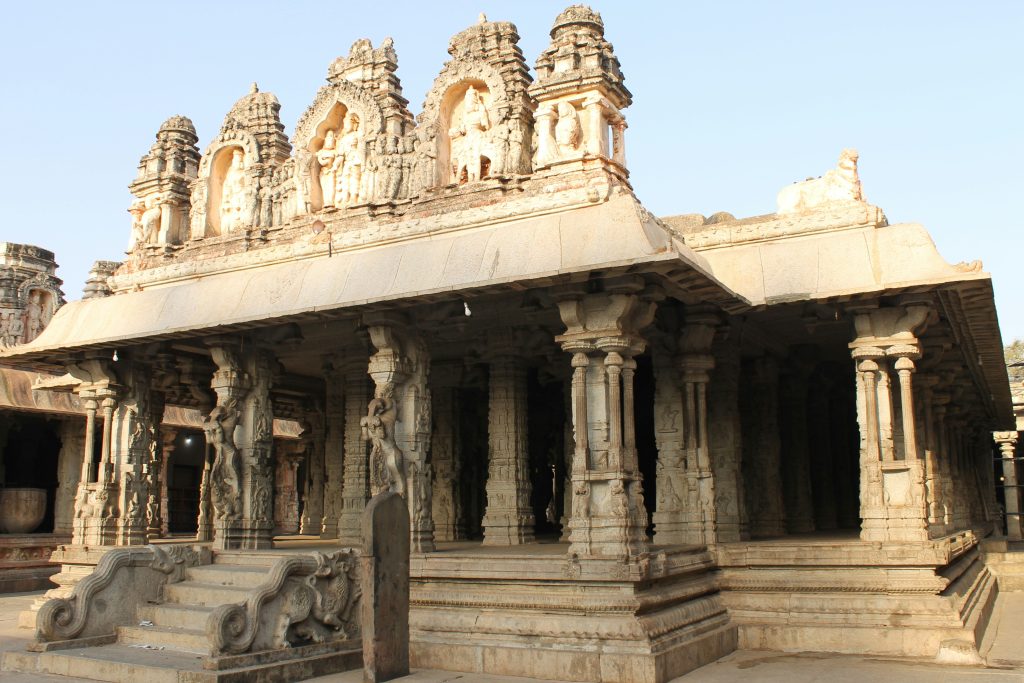
Bharatanatyam emerged over 2,000 years ago, rooted in the Natya Shastra, the ancient Sanskrit treatise on performing arts attributed to sage Bharata Muni. This text codified dance as a divine blend of nritta (pure dance), nritya (expressive dance), and natya (dramatic elements), performed as an offering to deities in South Indian temples.
Devadasis, women dedicated to temple service, were its primary exponents. Clad in simple attire, they danced in temple courtyards during rituals, invoking gods through intricate footwork (adavus), hand gestures (mudras), and facial expressions (abhinaya), embodying stories from Hindu mythology like those of Shiva or Krishna.
Devadasi Tradition and Sacred Purpose
The devadasi system flourished from the 6th to 19th centuries in temples like those in Tanjore (Thanjavur), Chidambaram, and Srirangam. These dancers underwent rigorous training from childhood, living as temple custodians who preserved Bharatanatyam as seva—spiritual service rather than entertainment.
Performances followed the alarpay format: starting with invoking Ganesha (Pushpanjali), pure dance sequences (Jatiswaram), expressive pieces (Varnam as the centerpiece), and concluding with a Tillana. This structure emphasized devotion, with rhythms dictated by the mridangam and vocals in Tamil or Telugu.
Colonial Decline and Revival
Challenges Under British Rule
By the 19th century, colonial influences and social reforms stigmatized devadasis as morally corrupt, leading to the 1947 Devadasi Prevention Act. Temples closed their doors to dance, pushing Bharatanatyam underground and nearly extinguishing it.
Missionary criticisms and anti-nautch campaigns vilified the form, associating it with exploitation. Yet, hereditary artists like the Tanjore Quartet (Chinna Nattu Pillai, Ponniah Pillai, Sivanandam, and Vadivelu) secretly passed down techniques, adapting them for salon performances among nobility.
Renaissance Led by Pioneers
The 20th-century revival began with E. Krishna Iyer, who in 1920s Madras renamed “Sadir” as Bharatanatyam to sanitize its image and staged public recitals. Rukmini Devi Arundale, a theosophist, was pivotal: in 1936, she founded Kalakshetra in Chennai, institutionalizing training and choreographing for proscenium stages with fan-shaped costumes and orchestral music.
Other luminaries like Balasaraswati upheld traditional purity, while Yamini Krishnamurthy and Kamala popularized it nationally. This shift transformed Bharatanatyam from ritual to concert art, emphasizing aesthetics over sanctity.
Transition to Modern Stages
Proscenium Arch Adaptations
Post-independence, Bharatanatyam moved to theater stages, requiring changes for visibility: extended anga shuddhi (limb precision), spotlighting, and narrative coherence for non-devotee audiences. The Varnam expanded into full-length stories, with composers like the Tanjore Brothers’ krits adapted for modern venues.
Institutions like Kalakshetra and Nrithyodaya standardized syllabi, blending Pandanalur, Vazhuvoor, and Mysore banis (styles). Costumes evolved from temple sarees to vibrant sarees with golden temples on hip belts, enhancing visual appeal
Global Outreach and Fusion
By the 1970s, dancers like Indrani Rahman and Alarmel Valli took Bharatanatyam worldwide, performing at venues like London’s Queen Elizabeth Hall. Festivals such as the Khajuraho Dance Festival and Chennai’s Margazhi season showcased it, while diaspora communities in the US and UK established academies.
Contemporary choreographers like Shobana Jeyasingh and Aatish Kapadia fuse it with ballet, contemporary dance, or Bharatanrityam (with Carnatic music), addressing themes like feminism or environment. Savitha Sastry’s works blend tradition with minimalism.
Bharatanatyam in the Digital Age
Online Platforms and Accessibility
The 21st century digitized Bharatanatyam: YouTube tutorials by dancers like Chitresh Das exploded learning, while Instagram Reels by Malavika Sarukkai reach millions. Platforms like Narthaki.com archive performances, democratizing access beyond gurus.
COVID-19 accelerated virtual recitals; apps offer adavu breakdowns, and NFTs preserve rare pieces. This “de-ritualization” shifts focus from gods to self-expression, with algorithms replacing the divine gaze.
Contemporary Innovations
Today’s Bharatanatyam tackles social issues: Rama Vaidyanathan’s Rasa series explores emotions modernly, while Urmila Sathyanarayanan experiments with lighting and projections. Inclusivity grows—men like Bragadeesh Balasubramaniam perform traditionally, and fusion with hip-hop emerges in urban India.
Global stages like Edinburgh Fringe feature it; UNESCO recognition bolsters prestige. Yet, debates persist: purists decry commercialization, but evolution ensures survival
Cultural Impact and Future
Influence on Identity and Wellness
Bharatanatyam fosters cultural pride, especially among NRIs, and promotes fitness via precise movements. In India, it’s a curriculum in schools, aiding stress relief and discipline.
Challenges and Prospects
Commercial pressures risk dilution, but academies emphasize authenticity. Hybrid forms promise vibrancy, ensuring Bharatanatyam’s journey continues.